
The Hidden Safety Risks of Delaying Garage Door Spring Replacement
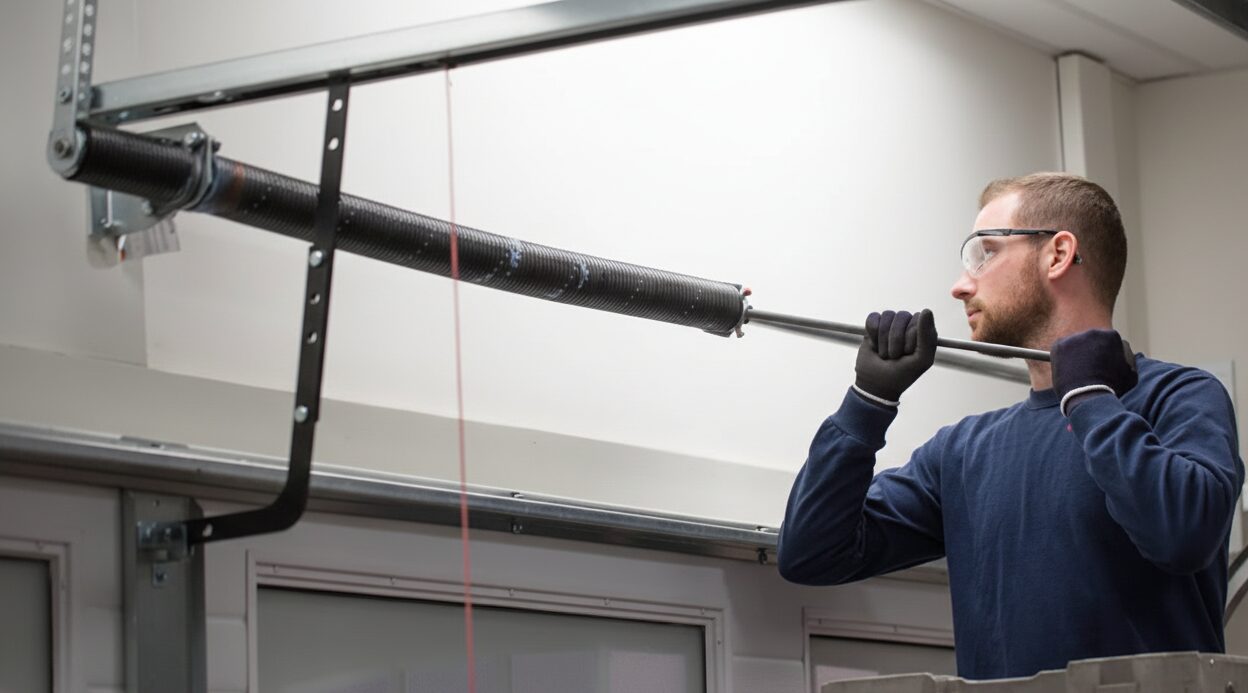
For Houston homeowners, understanding garage door spring repair in Houston, TX, isn’t just about keeping a door working. It’s about safety, security, and avoiding costly damage. A garage door spring may seem like a minor component, but it actually carries immense tension that controls the door’s movement.
If that spring weakens or breaks, ignoring it can have serious consequences. From personal injury to costly repairs, delaying service carries risks few people consider. Here’s an overview of what happens when a spring problem goes unchecked, why timely repairs matter, and how preventative regular maintenance plays a key role.
Why Garage Door Springs Matter?
Garage door springs are more than just a mechanical part; they’re the backbone of a safe and functional garage door system. They act as a counterbalance, ensuring smooth, predictable daily operations. These springs are under extreme tension, capable of lifting a 150‑ to 250‑pound door with ease.
Here’s why these springs are so critical and what garage door springs do:
- They act as a counterbalance to reduce the load on the garage door opener and ensure smooth operation.
- Most modern doors use torsion springs, which twist under extreme tension to safely lift heavy doors.
- Failure suddenly releases stored energy, creating a dangerous situation.
- Broken springs make doors heavy and unpredictable, making manual operation risky.
- Imbalance can strain or damage other components, including warped or bent tracks, damaged door panels, and opener failure.
- Houston’s heat, humidity, and storms can accelerate wear, increasing the risk of sudden failure.
- Ignoring warning signs or delaying professional service can result in injury, property damage, and costly repairs.
When they fail, that energy is released suddenly, turning a simple door into a serious safety hazard. Delaying garage door spring repair in Houston, TX, or attempting a DIY fix can put both people and property at risk. When a spring breaks, the door becomes heavy, unpredictable, and difficult to operate manually.
What Really Happens When You Ignore Spring Problems?
Many homeowners don’t realize how critical garage door springs are until they fail. At first, a worn or weak spring might only make the door feel slightly heavier or produce a slight creak. It’s easy to dismiss these signs as minor wear and tear. A neglected spring doesn’t just stop working on its own. It stresses other components, makes the door harder to operate, and can cause serious injury if it snaps unexpectedly.
Here’s what happens when a spring problem is ignored:
-
Injury Risk
A garage door spring stores massive tension to lift the door effortlessly. When it weakens or breaks, that tension can release suddenly. A snapped spring can send metal pieces flying or let the door crash down. Anyone trying to operate it manually risks serious injury to their hands or fingers, or worse. This is why broken garage door spring replacement in Houston should always be handled by a professional.
-
Opener and Hardware Damage
When springs fail, the door opener works harder to compensate. This additional strain can overheat the motor, strip gears, or damage electronics. Cables, rollers, and tracks also experience increased stress. Over time, a single worn spring can trigger a cascade of mechanical failures.
-
Property Damage
A door that crashes due to a broken spring can damage cars, tools, bikes, and anything stored in the garage. Panels, tracks, and flooring may also be harmed. In Houston’s humid climate, metal fatigue accelerates, increasing the risk of sudden failure.
-
Higher Repair Costs
Replacing a spring early is far cheaper than waiting. Ignored springs can damage cables, rollers, tracks, door panels, and openers. Most pros recommend torsion spring repair in Houston, TX if one fails. Delaying repairs turns a simple replacement into a costly full-system overhaul.
-
Reduced Door Performance
Even before a spring snaps, a weak spring causes jerky or uneven movement. Doors may not stay open or feel unusually heavy. This strains other parts of the system, damages vehicles, increases frustration, and reduces safety.
-
Safety Hazards Multiply
Every door cycle with a worn spring adds stress to the system. Over time, failures become more likely at unpredictable times, such as during the morning rush, during storms, or during manual operations during outages. A single neglected spring is a growing safety and financial risk.
Conclusion
Neglecting the need for garage door spring repair in Houston, TX, is not just about delaying maintenance; it’s about risking serious injury. It is jeopardizing lives, property, and peace of mind. It’s putting people, property, and peace of mind at risk. Hidden dangers lurk behind every broken spring, growing each time the door cycles under strain. A timely, professional spring replacement protects your family, your vehicle, and the overall functionality of the garage door system.
When it comes to service you can trust, homeowners in the Houston area rely on Halo Overhead Doors for prompt, expert solutions. We stand apart because of our deep local experience, commitment to safety, unmatched craftsmanship, and genuine care for every customer. Our trained technicians handle every torsion and extension spring challenge with precision.
If you notice any warning signs or suspect your springs are aging, don’t wait. Contact the overhead door repair experts at Halo Overhead Doors and schedule your professional assessment or spring repair for garage doors today. Proactive service avoids injury, damage, and higher repair costs down the road.
Can a Broken Garage Door Spring Be Fixed Immediately?
There’s a moment of worry when your garage door refuses to open, especially when you’re about to leave, and the Houston heat is already setting in. You press the opener again, hoping it’s just a minor glitch, but the door stays shut. If this happens, don’t panic, you’re not alone. A broken garage door spring repair in Houston can strike without warning, disrupting your day. The key question is: can it be fixed immediately?
Let us answer this question in detail and outline the steps to handle a broken garage door spring safely. If you’re looking for broken garage door spring repair, read on for helpful insights.
Why a Broken Garage Door Spring Can’t Be Fixed Immediately
Garage door springs are under immense tension, storing significant energy. These springs support the garage door’s weight, allowing it to open and close smoothly. When a spring breaks, the stored energy is released, which can cause the spring to whip violently. This creates a serious hazard. Attempting to fix a broken spring yourself or opening the door immediately without professional help could result in severe injury.
-
Damage Risk to Your Garage Door System
In addition to the immediate safety risks, a faulty garage door spring can lead to other significant issues. Using a door with a broken spring places extra strain on the opener and other components of the system. This strain can cause further damage, leading to more expensive repairs down the road. That’s why it’s always better to address the issue immediately with a garage door spring replacement in Houston, TX, rather than risking additional damage.
-
Springs Must Be Replaced, Not Repaired
A common misconception is that a broken spring can be repaired. However, garage door springs are designed to last a set period and must be replaced when they fail. Springs are a critical component of the system, and only a qualified professional can perform a safe, adequate replacement. Trying to fix a broken spring can cause additional issues and, in some cases, further damage to the garage door system.
Immediate Steps to Take When You Have a Broken Garage Door Spring
Step 1. Disconnect the Opener
The first step when you notice a broken garage door spring is to disconnect the opener. To do this, pull the emergency release cord located on your garage door opener. This will disconnect the door from the opener, preventing accidental operation while you wait for professional assistance.
Step 2. Do Not Force the Door Open
A common instinct when faced with a broken garage door is to try to open it manually. However, this is extremely dangerous. When a spring is broken, the door becomes heavy and difficult to lift. Trying to open it by hand could cause the door to fall unexpectedly, resulting in serious injury or damage. It’s best to leave the door closed and wait for a professional to handle the situation.
Benefits Of Calling a Professional for Broken Garage Door Spring Repair in Houston
A broken garage door spring needs immediate attention. That’s why it’s crucial to contact a professional who specializes in emergency garage door spring repair in Houston. Garage door spring systems are complex, and replacing them requires expertise and the right tools. A technician can quickly assess the issue, replace the broken spring, and restore the door to proper operation.
Properly Balanced System
When replacing a broken spring, ensure both springs (if the door uses two) are replaced simultaneously. This is because an unbalanced garage door can lead to additional strain on the opener and other components. A professional garage door coil spring replacement in Houston will ensure the entire system is properly balanced, so your door operates smoothly and safely.
Avoid DIY Risks and Costs
While it may seem like a good idea to attempt a DIY repair, it’s crucial to remember that handling high-tension garage door springs is not only challenging but also dangerous. Trying to repair the springs yourself could lead to injury, cause further damage to the system, and cost you more in the long run. Calling a professional for a garage door spring repair in Houston, TX, ensures the job is done safely and correctly.
Conclusion
A faulty garage door spring can feel like a significant disruption, but it does not have to derail the day. With a trusted local expert who specializes in broken garage door spring repair in Houston, most issues can be resolved quickly and safely, often the same day. The experts provide same-day service and, when possible, ensure the garage door is back in proper working order without unnecessary delays.
Don’t risk safety with DIY repairs; trust the experts at Halo Overhead Doors! Our team provides fast, reliable service, expert repairs, and long-lasting performance. Whether it’s a broken spring or routine maintenance, we make sure your garage door operates seamlessly and safely for years. For homeowners in Houston, choosing us means peace of mind and professional care you can count on.
Contact our garage door experts today for a free estimate and keep your garage door in top condition!
How can I install a garage door without the overhead rail hardware?
Every homeowner eventually faces a moment when the traditional garage door setup just doesn’t fit their needs. Whether due to low ceilings, obstructions, or the desire for a modern, minimalist look, the idea of garage door installation in Houston, TX, without the typical overhead rail hardware can seem daunting. However, this solution can be highly beneficial, especially when you need to save ceiling space or create a more open garage environment.
Many homeowners across the city want a modern, compact setup without bulky hardware dominating the ceiling. In this guide, we’ll walk through how rail-free systems work, what to prepare for, and the practical steps to do the job right, without sacrificing safety.
What Is a Rail-Free Garage Door System?
A garage door installation without rails eliminates the traditional overhead track system, offering a more streamlined and space-efficient solution. Instead of using overhead rails to slide the door, rail-free systems employ side-mounted mechanisms, hinges, or vertical lift systems attached to the side walls. This setup is ideal for garages with low ceilings, obstructions like AC ducts or plumbing, or when you simply want a clean and modern garage door look.
Benefits of Rail-Free Garage Door Setup in Houston:
- Maximizes Ceiling Space: No overhead tracks leave more room for storage or other installations.
- Sleek Aesthetic: The clean, open design eliminates unsightly rails.
- Versatility: Great for workspaces, small garages, or areas with limited headroom.
Types of Garage Doors Without Overhead Tracks
Not all garage doors are suited for rail-free installations. Some doors depend on ceiling tracks to function correctly. However, there are several types of garage doors designed explicitly for rail-free setups, offering unique benefits for homeowners who need them.
Here are the most common types of doors used in commercial garage door installation in Houston without rails:
-
Side-Hinged Garage Doors
These doors open like a regular pair of large double doors. They require no ceiling tracks and are ideal for traditional-style homes or garages that are too small for overhead rails.
-
Tilt-Up Canopy Doors
This type of door tilts outward and then upwards, using arms on the sides rather than overhead tracks. The entire panel lifts with the help of these side-mounted arms, making them suitable for garages with limited ceiling space.
-
High-Lift Jackshaft Systems
Mounted on the wall beside the door, these systems use a torsion spring mechanism to lift the door vertically. They are ideal for low-ceiling garages and provide a smooth, controlled door movement.
-
Roll-Up Sheet Doors
Typically used in commercial spaces, roll-up doors coil up into a drum above the opening. They operate using only vertical tracks and do not require traditional overhead rails.
-
Folding (Bi-fold) Doors
These doors fold up neatly above the opening, stacking in compact sections without the need for horizontal tracks. Bi-fold doors are an excellent option for garages with high ceilings or those looking to maximize space. They’re handy for wide openings and provide a clean and efficient solution.
-
Side-Hinged Carriage Doors
These doors open outward like regular doors, using side hinges and vertical guides. They are perfect for homeowners who prefer a traditional aesthetic and need a rail-free installation.
Why Do Homeowners Choose Rail-Free Garage Doors?
Many homeowners choose professional garage door installation in Houston without rails for a variety of reasons. Whether it’s a small garage, a workshop, or simply a preference for a modern, clean design, rail-free systems are becoming more popular.
Reasons for Choosing Rail-Free Garage Doors in Houston:
- Low Ceiling Obstructions: Some garages have plumbing, ducts, or beams that block the space needed for traditional rails.
- Maximizing Storage Space: Without overhead rails, the ceiling space is free for additional storage or lighting.
- Aesthetics: Homeowners seeking a more modern, open look often choose rail-free options.
Workspace Needs: Garages that double as workshops or business spaces need a clear ceiling for ease of movement and equipment placement.
Key Steps For Rail-Free Garage Door Installation Houston, TX
Installing a garage door without overhead rails is a detailed process that requires perfection to ensure functionality, safety, and smooth operation. Follow these key steps for a successful rail-free garage door installation.
1. Prepare the Frame
Before starting the installation, make sure the frame is level, square, and structurally sound. A weak or uneven frame can lead to misalignment, causing operational issues.
Key Actions:
- Clean and level the opening.
- Reinforce weak spots where the side brackets or supports will attach.
- Double-check the frame for squareness and plumb.
2. Install Side Hinges or Brackets
The side hinges, or brackets, are critical for guiding the door and supporting most of the door’s weight in rail-free systems. Improper installation can lead to the door jamming or uneven movement.
Key Actions:
- Securely mount the side brackets or pivot arms.
- Ensure the brackets are level and aligned before tightening.
- Test the movement of all moving parts to ensure smooth operation.
3. Mount the Door Panels
Once the hinges and brackets are installed, it’s time to mount the door. Incorrect placement can cause operational problems and unnecessary wear.
Key Actions:
- Carefully lift and position the door onto the side brackets.
- Ensure each panel is level and square in the frame.
- Adjust the door as needed to maintain proper alignment.
4. Add the Torsion System or Roll-Up Drum
The torsion spring or roll-up drum controls the door’s tension, allowing it to move smoothly. Incorrect tension can make it difficult to open the door or even damage the system.
Key Actions:
- Mount the torsion spring or drum according to the manufacturer’s instructions.
- Adjust the spring tension for balanced movement.
- Seek professional help if you’re unsure about adjusting tension.
5. Install the Opener (If Needed)
If you’re installing an automatic opener, ensure it is appropriately mounted to prevent motor strain or damage to the door. Rail-free systems often use wall-mounted or side-mounted openers.
Key Actions:
- Securely mount the opener on the side or wall.
- Connect the opener to the door mechanism.
- Test the opener to ensure smooth and consistent operation.
6. Test, Adjust, and Balance the Door
After installation, test the door thoroughly to ensure it operates smoothly. Even small misalignments can cause issues, so checking the operation is critical.
Key Actions:
- Open and close the door multiple times to check for smooth operation.
- Verify that tension is evenly distributed on both sides.
- Check that the bottom seal rests evenly on the floor, ensuring no gaps.
- Adjust springs or brackets as needed to correct any jerky or uneven movement.
Conclusion
A garage door installation in Houston, TX, without overhead rails is not only entirely possible, but it can also be the smartest choice for unique garage spaces, low ceilings, or modern, clean designs. Rail-free systems offer unmatched flexibility, save overhead space, and maintain full functionality. But the process is precise, and even small mistakes in alignment or tension can lead to costly or dangerous problems.
That’s why countless homeowners and professionals in Houston. Halo Overhead Doors stands out as the trusted choice, combining years of local expertise, skilled technicians, fast response times, and a customer-first approach. Our team ensures every rail-free installation is safe, reliable, and long-lasting, giving you peace of mind and a garage door that performs flawlessly every day.
Book your garage door consultation now and get an expert installation team you can trust.
What Should I Expect During a Garage Spring Replacement Service?
Your garage door spring is a vital component of your system. It’s responsible for balancing the door’s weight, making it easy to open and close. Over time, springs wear out and can eventually fail, making your door difficult to open. Whether you have an extension spring or a torsion spring, proper garage door spring replacement in Houston is the only safe option. Attempting to fix the system yourself can result in serious injury, as the springs are under immense tension.
Only a trained technician has the right tools, experience, and knowledge to handle the high tension involved safely. It’s not just about swapping out the springs; it’s about making sure that the whole system works efficiently and that your door is balanced correctly. A poorly replaced spring can cause more issues, including damage to the garage door opener and other components.
Signs You Need Garage Door Spring Replacement in Houston
Spring problems rarely come out of nowhere. Your garage door usually gives you warning signs if you know what to look for. Some of the signs are.
- A loud snapping or banging sound from the garage
- The door suddenly feels much heavier than usual
- Uneven movement or the door getting stuck halfway
- Visible gaps or stretching in the spring
- The opener is straining or failing to lift the door
If any of these show up, it’s time to act quickly. Scheduling emergency garage door spring repair in Houston can prevent damage to your opener efficiently.
What Happens During Garage Door Spring Replacement?
Now that you understand the importance of having a professional handle the job, let’s dive into what you can expect during the process of garage door spring replacement in Houston, TX.
1. Initial Assessment
The first step of the process involves a thorough assessment of your garage door system. The technician will inspect the door’s weight, size, and overall condition to determine the appropriate spring type. They’ll also check the cables, tracks, and opener to ensure everything else is functioning correctly. The technician will identify if you need a torsion spring or an extension spring. The system’s age, condition, and other components are taken into account.
2. Preparation for Safe Spring Replacement
Once the technician has completed the assessment, the next step is preparation. The door opener is unplugged to avoid any accidental movement. The technician will also clamp vice grips on the track to hold the door in place and prevent it from shifting while the springs are being removed.
3. Releasing Tension from the Old Springs
This step is the most dangerous part of the process. The technician will use specialized winding bars to slowly and carefully relieve the immense tension in the old springs. This step is crucial because the springs are under such high tension that mishandling them can cause serious injury. The technician adheres to established safety protocols to prevent accidents.
4. Removing the Old Springs and Components
Once the tension is released, the old springs, safety cables, and, in some cases, cable drums are removed from the torsion tube. These parts are carefully detached to prepare for the new springs and components. The Houston garage door spring repair team will ensure the door is not damaged so it works seamlessly again.
5. Installing New Springs
With the old springs removed, the technician will install the new springs, ensuring they are the correct type and size for your garage door. It’s common for both springs to be replaced simultaneously, as replacing only one could throw off the door’s balance, reducing its lifespan and performance. Lastly, safety cables are reinstalled for added protection.
6. Winding the New Springs
During a garage door spring replacement in Houston, TX, the technician will use winding bars to wind the new springs to the proper tension. This step is performed with precision, using a specified number of quarter turns to ensure the springs are correctly set. This step requires exact measurements for optimal performance.
7. Balancing and Testing the Door
After the springs are installed, the technician will manually check the door’s balance to ensure it opens and closes smoothly. If adjustments are needed, the technician will make those to ensure proper balance. Additionally, the garage door opener’s force settings will be recalibrated to ensure the system operates efficiently.
8. Lubrication and Final Testing
To ensure smooth operation, the team for residential garage door spring repair in Houston will lubricate key components, including rollers, hinges, and tracks. This reduces friction and allows you to extend the lifespan of your garage door system. The final step is to test the door opener to ensure it functions correctly.
Remember!
Safety First: Garage door spring replacement involves handling high-tension components, which can be dangerous. This is not a DIY job for beginners. Always call a professional for emergency garage door spring repair in Houston.
Replace Both Springs: It’s best practice to replace both springs simultaneously. This makes sure your garage door operates smoothly and remains properly balanced.
Timeframe: Expect the service to take about 1-2 hours for a standard residential garage door. For complex systems or older doors, it may take longer.
Comprehensive Service: A qualified technician will inspect and service other components of your system, such as the cables, opener, and tracks, during the spring replacement to ensure your door is fully functional.
Final Thoughts
A broken garage door spring can disrupt your day fast, but understanding the process makes it far less overwhelming. A professional garage door spring replacement Houston service isn’t just about fixing a problem. It’s about restoring safety, reliability, and peace of mind to your home.
Is your garage door acting up? Don’t wait until a broken spring leaves you stuck! Reach out to Halo Overhead Doors for fast, reliable spring replacement and repair services in Houston. Our expert team will ensure your door is running smoothly and safely, whether it’s an emergency repair or routine maintenance.
Call us today for a free estimate or to schedule your garage repair service and experience the peace of mind that comes with a perfectly balanced garage door!
What Do Garage Door Springs Do?
While your garage door has numerous instrumental components, springs are the most essential.
Your garage door springs’ primary purpose is to provide the required tension to maintain them in a closed position and the necessary counterbalance to enable the opener to lift them. As your doors open, the springs help bear the weight load. They feature sturdy metal construction and a coiled design that allows them to store energy used to support the door cycle.
Garage door experts match the spring size and number to the doors. For example, a one-car garage generally has lighter and fewer springs than a multicar garage with a single door. The door’s material is also a factor in spring size. Some materials, like wood, are naturally heavier than others and will often require thicker springs than a lighter-weight model.
Table of Contents
- Types of Garage Door Springs
- Which Spring Type is Better?
- How Long Do Garage Door Springs Last?
- The Importance of Garage Door Springs
- How to Inspect Your Garage Door Springs
- Get Expert Garage Door Service from the Houston Pros

Types of Garage Door Springs
There are two types of garage door springs — extension and torsion.
Extension springs appear on each side of the upper track, secured by safety cables. They work through counterbalance and pulley systems. As they contract, the door opens, releasing the tension. These components are often constructed with thinner-gauge metal than their torsion counterparts.
Torsion springs are long coils mounted horizontally above the door’s opening. They help lift the door by turning rather than expanding and contracting. Due to the rotation, the springs create the necessary torque to counterbalance your garage door’s weight. They’re tightly wound when the door is closed and looser when it’s open.
Which Spring Type Is Better?
Torsion springs are more common than the extension ones typical on older door systems.
The springs work independently of each other in extension-based designs. That makes it possible for one side of your door to lift faster than the other. Conversely, the springs in torsion configurations provide equal pressure to both sides of the door for a more balanced opening.
If you want to upgrade an outdated system, garage door spring replacement from Halo Overhead Doors can help.
How Long Do Garage Door Springs Last?
The more often your entry cycles, the more wear and tear your springs undergo. Exposure to outdoor elements can also strain springs over time. On average, springs last for about 10,000 cycles. Opening and closing your doors four times a day equates to a life span of about seven years. Keeping your springs in prime operating condition with planned garage door maintenance can help extend their life spans.
Garage door springs break for a multitude of reasons. Wear & tear over time is the main reason. Every time someone goes in or out of the garage door, the springs endure a cycle of lifting and lowering the garage door. The type of spring you have will determine the number of cycles the door can endure. The springs can also rust and slowly deteriorate, making them more prone to breaking.
Lastly, improper maintenance causes many garage door springs to break. Springs are like any other working part of your home. They require proper maintenance in order to function properly and prevent damage.
The Importance of Garage Door Springs
In the simplest terms, garage door springs make it possible for your opener to cycle the door smoothly and easily. Garage doors generally weigh hundreds of pounds. Most residential door opening systems lack the horsepower to lift that amount without the spring’s assistance. The springs also help maintain stability and safe door function.
How to Inspect Your Garage Door Springs
The more familiar you are with your door’s parts, the faster you’ll know something’s amiss. We recommend doing routine inspections and watching out for these common signs of garage door spring damage:
- A door that closes too quickly.
- Noisy operation.
- Observable rust or stretching.
- A door that opens or closes unevenly.
- An opener that doesn’t completely raise the door.
If you hear a loud snap, it’s likely a broken spring. Another sign of this issue is a visible gap in your springs that indicates a break.
A worn or broken spring can make your door inoperable or pose a safety risk. Garage door spring repair or replacement requires specialized tools and knowledge, so it’s best to consult a professional for help.
Get Expert Garage Door Service From the Houston Pros
Halo Overhead Doors has been the trusted Houston garage door expert since 1991. Count on our family-owned company for prompt, professional residential garage door repair service.
Request a service appointment today or contact a specialist for more information.